Thursday, 17 August 2017

Friday, 11 August 2017
bones
List 5 common bone diseases.
When do bones stop growing?
What bones are not yet fused together when you are born? Why are these bones not fused together?
- Osteoporosis
- Fracture
- Pain
- Paget's disease
- Arthritis
When do bones stop growing?
- About 95% of a young woman's peak bone mass is present by age 20, and some overall gains in mass often continue until age 30. The average boy has his fastest rate of growth in height between ages 13 and 14, and stops growing between ages 17 and 18.
What bones are not yet fused together when you are born? Why are these bones not fused together?
But why aren’t these bones already fused together at birth? Well, most of these unfused bones are located in the newborn’s skull. When a baby is born, it has to squeeze itself through the mother’s birth canal.
Find 5 facts about bones.
- The adult human body has 206 of them.
- There are 26 bones in the human foot.
- The human hand, including the wrist, contains 54 bones.
- The femur, or thighbone, is the longest and strongest bone of the human skeleton.
- The stapes, in the middle ear, is the smallest and lightest bone of the human skeleton.
Thursday, 10 August 2017
good blog comments
its always a good be positive and be specific
its good to add factual information
look in the comments section to make sure that no one has brighten the same idear as you
to make a comment better it is good to have a connection with the wrighter
if u like the bloggers wrighting tell them idea to ask relevant at the end of your comment
always at the start of your sentance usr capital letters and at the end of your comments use full stops
if you wright the pronoun "I" always capitalized it
if you make sure to spell all your word correctly
Monday, 7 August 2017
orana oark
we went to go to the buses but then the buses went to the wrong school so they came to our school and drove past it
the first animal my group saw was the cheetahs
then we went and saw the garilors z
z
then we went and saw the rhinos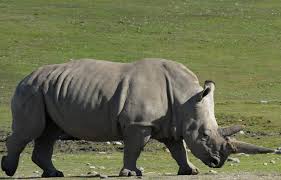
the first animal my group saw was the cheetahs
then we went and saw the garilors
zthen we went and saw the rhinos
Thursday, 3 August 2017
Organ Functions
brain
blatter
intestines
livers
heart
liver
skin
lungs
blatter
5/5
blatter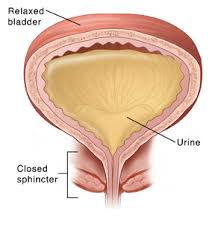 https://www.youtube.com/watch?v=rnhGy_lU5q4
The third set of muscles is the pelvic floor muscles, also referred to as the external sphincter, which surround and support the urethra. To urinate, the brain signals the muscular bladder wall to tighten, squeezing urine out of the bladder. At the same time, the brain signals the sphincters to relax.
skin https://www.youtube.com/watch?v=Orumw-PyNjw
The skin1 is one of the largest organs in the body in surface area and weight. The skinconsists of two layers: the epidermis and the dermis. Beneath the dermis lies the hypodermis or subcutaneous fatty tissue. The skin has three main functions: protection, regulation and sensation.
toung https://www.youtube.com/watch?v=QVU_92x6i88
In the back of the mouth, the tongue is anchored into the hyoid bone. The tongue is vital for chewing and swallowing food, as well as for speech. The four common tastes are sweet, sour, bitter, and salty. A fifth taste, called umami, results from tasting glutamate (present in MSG).
tummy https://www.youtube.com/watch?v=KAfnIPYN0X0
Partial digestion of the food takes place here. The churning action of the stomachmuscles physically breaks down the food. The stomach releases acids and enzymes for the chemical breakdown of food. The enzyme pepsin is responsible for protein breakdown.
Jejunum https://www.youtube.com/watch?v=qUGyxLK8Xi4
The jejunum is the middle segment of the small intestine found between the duodenum and the ileum. Most of the nutrients present in food are absorbed by the jejunumbefore being passed on to the ileum for further absorption.
blatter
intestines
livers
heart
liver
skin
lungs
blatter
5/5
blatter
The third set of muscles is the pelvic floor muscles, also referred to as the external sphincter, which surround and support the urethra. To urinate, the brain signals the muscular bladder wall to tighten, squeezing urine out of the bladder. At the same time, the brain signals the sphincters to relax.
skin
https://www.youtube.com/watch?v=Orumw-PyNjwThe skin1 is one of the largest organs in the body in surface area and weight. The skinconsists of two layers: the epidermis and the dermis. Beneath the dermis lies the hypodermis or subcutaneous fatty tissue. The skin has three main functions: protection, regulation and sensation.
toung
https://www.youtube.com/watch?v=QVU_92x6i88In the back of the mouth, the tongue is anchored into the hyoid bone. The tongue is vital for chewing and swallowing food, as well as for speech. The four common tastes are sweet, sour, bitter, and salty. A fifth taste, called umami, results from tasting glutamate (present in MSG).
tummy
https://www.youtube.com/watch?v=KAfnIPYN0X0Partial digestion of the food takes place here. The churning action of the stomachmuscles physically breaks down the food. The stomach releases acids and enzymes for the chemical breakdown of food. The enzyme pepsin is responsible for protein breakdown.
Jejunum
https://www.youtube.com/watch?v=qUGyxLK8Xi4The jejunum is the middle segment of the small intestine found between the duodenum and the ileum. Most of the nutrients present in food are absorbed by the jejunumbefore being passed on to the ileum for further absorption.
Wednesday, 2 August 2017

Subscribe to:
Posts (Atom)